Posted by Aditi Shrivastava under Blog on December 2, 2025
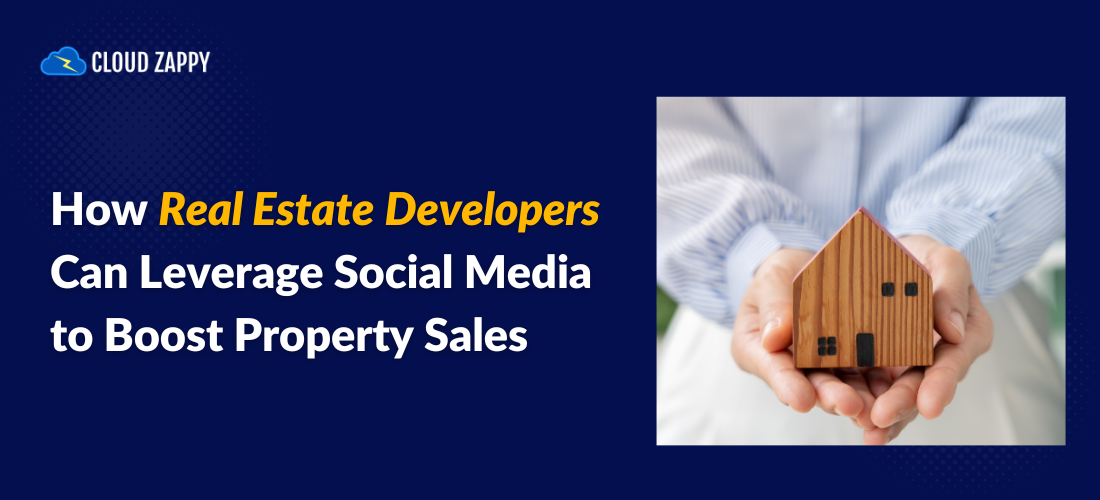
Social media has become one of the most powerful tools for real estate developers to attract, engage, and convert potential buyers.
Today’s homebuyers don’t just rely on brochures or billboards — they research projects online, scroll through photos, and follow developers on social platforms to evaluate trust and transparency.
From showcasing lifestyle experiences to generating qualified leads through ads, social media helps real estate developers shorten their sales cycle, build brand awareness, and connect directly with modern buyers.
Here’s how developers can use social media strategically to sell units faster and smarter.
1. Visual Storytelling: Show the Lifestyle, Not Just the Layout
Real estate is about aspiration, not just architecture.
By using high-quality visuals — photos, videos, drone shots, and 360° virtual tours — developers can present their properties as lifestyle opportunities, not mere buildings.
Showcase:
-
Everyday moments in your community (morning walks, family time, sunsets from the balcony)
-
Project progress updates
-
Interior design inspiration and space utilization
Visual storytelling helps potential buyers see themselves living there, which builds emotional connection and speeds up decision-making.
2. Use Short-Form Videos to Capture Attention
Platforms like Facebook, Instagram, YouTube Shorts, and LinkedIn now favor short-form video content.
Developers can use this trend to:
-
Feature quick property walk-throughs
-
Share project milestones or success stories
-
Present customer testimonials
-
Offer expert advice on home buying or investments
Short, authentic, and informative videos often outperform traditional ads because they feel more personal and engaging.
3. Run Targeted Ad Campaigns to Generate Leads
Paid advertising on platforms like Facebook, Instagram, and LinkedIn allows developers to reach potential buyers with precision.
You can target users by:
-
Location and age group
-
Income or profession
-
Interests (real estate, home décor, architecture)
-
Online behavior (recent property searches, engaged shoppers)
Combine sharp visuals with a clear call-to-action (CTA) like “Book a site visit” or “Explore available units” to attract serious buyers and filter qualified leads.
4. Build Trust Through Social Proof
In real estate, trust drives conversion. Use your social media pages to showcase:
-
Homeowner testimonials and handover photos
-
Construction progress and on-site activities
-
Media coverage, awards, and achievements
-
Customer engagement initiatives or CSR efforts
These posts serve as digital credibility markers, reassuring new buyers that your brand is transparent and dependable.
5. Use Stories and Live Sessions for Real-Time Connection
Stories and live sessions create instant interaction.
You can use them to:
-
Share daily construction updates
-
Conduct Q&A sessions with potential buyers
-
Announce festive offers, referral programs, or limited-time deals
-
Go live during handovers or launch events
Real-time engagement not only keeps your audience informed but also builds authenticity and emotional connection with your brand.
6. Collaborate with Influencers and Industry Professionals
Partnering with real estate influencers, architects, or interior designers can expand your reach.
Collaborations help position your project as aspirational and trustworthy while reaching new audiences who may not be following your page directly.
Even micro-influencers with smaller but highly local audiences can generate strong engagement and conversions for real estate brands.
7. Track, Analyze, and Improve
Every social media platform provides analytics tools that show what content performs best.
Track metrics such as engagement rate, website clicks, inquiries, and ad performance.
This data helps refine your strategy — enabling you to focus on the content and campaigns that deliver the most sales-ready leads.
Conclusion
Social media is no longer optional for real estate developers — it’s an essential part of the modern sales strategy.
By combining strong visuals, authentic storytelling, targeted advertising, and active engagement, developers can build brand trust and sell properties faster than ever before.
The future of real estate marketing belongs to developers who understand how to turn digital visibility into measurable growth.